


[Editor's Picks] Sentenced to Be a Hero Stands Out in a Crowded January 2026 Anime with Exceptional Early Acclaim
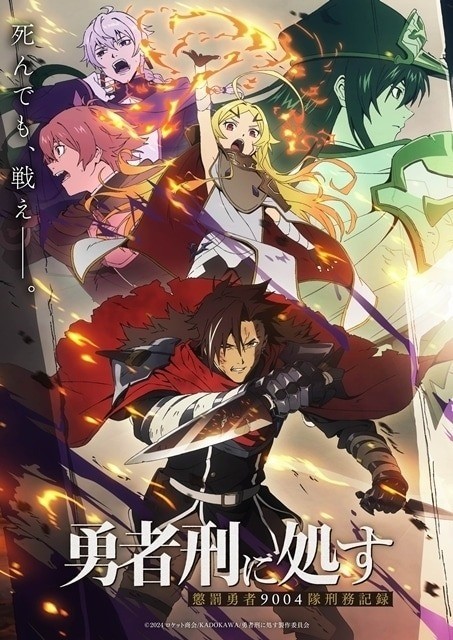
Sentenced to Be a Hero ©2024 Rocket Shokai (Dengekibunko / KadokawaPublished) / KADOKAWA/Project Sentenced to Be a Hero
The Winter 2026 anime season, which began airing in January, is packed with heavyweight titles. Alongside highly anticipated sequels such as Jujutsu Kaisen, Frieren: Beyond Journey’s End, Medalist, and Golden Kamuy, the lineup also features promising new series like The Darwin Incident, Journal with Witch, and Playing Death Games to Put Food on the Table.
Yet among this crowded and competitive season, one title that aired right at the start of the year delivered a shockwave across the anime community. That series is Sentenced to Be a Hero: The Prison Records of Penal Hero Unit 9004. Its nearly 60-minute premiere quickly ignited discussion on social media, with viewers praising it as “god-tier animation” and propelling it into instant prominence.
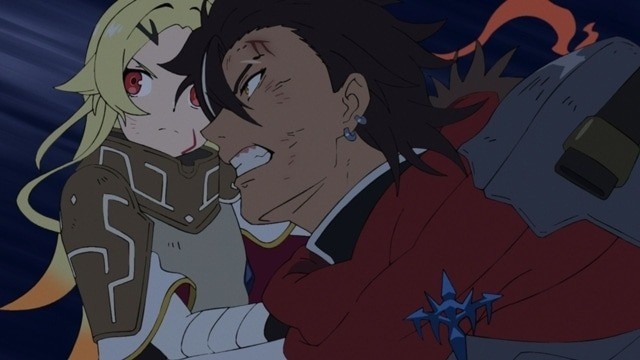
from Sentenced to Be a Hero ©2024 Rocket Shokai (Dengekibunko / KadokawaPublished) / KADOKAWA/Project Sentenced to Be a Hero
Why did this series leave such a powerful first impression? The answer goes far beyond the simple idea that it “moves well.” Beneath the surface lies a meticulously calculated set of creative decisions that reflect the production team’s uncompromising vision. In this editorial column, we break down five key devices that support what many fans are calling truly divine animation.
1. A Directional Choice That Refuses to Explain
from Sentenced to Be a Hero ©2024 Rocket Shokai (Dengekibunko / KadokawaPublished) / KADOKAWA/Project Sentenced to Be a Hero
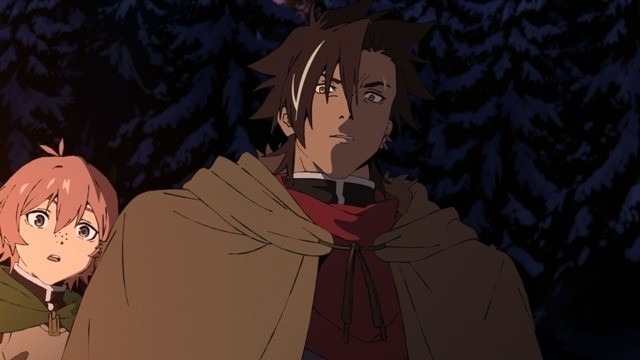
In contrast to many fantasy anime that carefully outline their worlds through narration and dialogue, Sentenced to Be a Hero deliberately withholds information. The story opens in the middle of an intense situation without even clarifying who the protagonist Xylo or his partner Dotta really are.
Viewers gradually piece together the truth through actions and fragmented conversations. “Hero Sentence” is revealed to be a brutal punishment that grants immortality at a terrible cost, with lasting aftereffects each time the condemned is revived. One particularly striking moment comes when Dotta gently touches the mark on his neck. Without a single line of dialogue, the gesture silently confirms his status as someone subjected to this sentence.
Likewise, Xylo’s deep-seated hatred toward the goddess figure is never verbalized outright. Instead, it is conveyed through sharp expressions and restrained movements. This refusal to overexplain forces viewers to actively engage with the narrative, transforming them from passive recipients into participants who must interpret what they see and hear.
This sense of mystery functions as a powerful hook, pulling the audience into the world almost instantly.
2. Unanswered Mysteries That Fuel Imagination
Even after the first episode, much of the world remains deliberately unclear.
What exactly is the “Hero Sentence,” and why does such a punishment exist? The Japanese title alone initially suggests a hero being condemned, but the reality is more complex: it refers to the act of imposing a specific sentence called “Hero Sentence.” Its origins and true purpose remain unknown.
The goddess herself is another enigma. While contracting with her appears to grant extraordinary abilities, it clearly demands a price. Are the blessings she bestows unique to each individual? Teoritta’s blessing, which manifests as an explosive sword, raises further questions about the nature of these powers.
Even the existence of the Demon King is ambiguous. Is it a literal being, or merely a metaphor for a catastrophic phenomenon? A line stating that “no entity is more dangerous than a goddess corrupted by the Demon King phenomenon” suggests that there may be multiple Demon King-like entities at play.
By leaving these questions open, the series invites viewers to speculate and theorize. This openness is a major driver of online discussion and sustained interest.
The Bold Choice of Flat Coloring Without Shadows
from Sentenced to Be a Hero ©2024 Rocket Shokai (Dengekibunko / KadokawaPublished) / KADOKAWA/Project Sentenced to Be a Hero
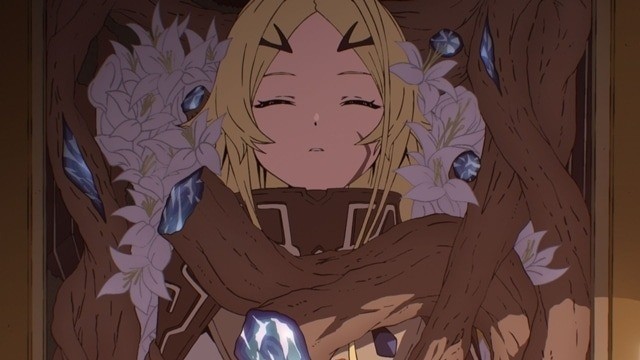
Visually, one of the most distinctive aspects of the series is its use of flat coloring, with minimal shading on characters. While this approach has been seen in works by directors like Mamoru Hosoda, applying it to such highly detailed character designs is an extremely risky move.
Shadows typically help reinforce depth and conceal minor inconsistencies in linework. Removing them leaves no room for error. Any distortion in proportions or silhouettes becomes immediately noticeable, resulting in a sense that a character looks “off.”
Choosing this style is effectively a declaration of confidence. It signals that the team intends to rely purely on the strength of its line art. Executing such a demanding approach without hesitation demonstrates absolute faith in the animators’ skill.
TVアニメ『#勇者刑に処す』放送中⚔
— スタジオKAI (@studioKAI_inc) January 8, 2026
 ̄ ̄ ̄ ̄ ̄ ̄ ̄ ̄ ̄ ̄ ̄ ̄ ̄ ̄ ̄ ̄ ̄
第1話「刑罰:クヴンジ森林撤退支援」
再放送をご覧いただきありがとうございました!
第1話本編から動画を公開します。
次回の放送もどうぞお楽しみに!
LO:吉田亘良#studioKAI#yushakei pic.twitter.com/iw08bbXapi

Related News
Japan Anime News 2025 Year in Review: Godzilla x Lacoste Leads Site Traffic, and Jump Titles Remain Industry Powerhouses
A year end look back at Japan Anime News in 2025, featuring top articles, anime highlights, traffic trends,...

[Editor’s Picks] Japan’s PM Takaichi’s Remarks Trigger Chinese Countermeasures, Impacting Japan’s Content Industry
China’s countermeasures following PM Takaichi’s remarks are disrupting Japan’s content market, affecting an...
![[Editor’s Picks] Japan’s PM Takaichi’s Remarks Trigger Chinese Countermeasures, Impacting Japan’s Content Industry](/upimg/thumb/7000/7037/img280/japan-china.jpg)
[Editor's Picks] Middle-Quality Anime Becomes a Hot Topic: Style of Hiroshi Nohara’s LUNCH Goes Viral with Over 1.7 Million Views
The term Middle-Quality Anime is rapidly spreading in Japan’s anime industry. The DLE-produced anime Style ...
![[Editor's Picks] Middle-Quality Anime Becomes a Hot Topic: Style of Hiroshi Nohara’s LUNCH Goes Viral with Over 1.7 Million Views](/upimg/thumb/6000/6743/img280/Style-of-Hiroshi-Noharas-LUNCH-Goes-4.jpg)
[Editor's Picks] Looking Back on Summer 2025 Anime: 5 Must-Watch Recommendations
As the summer 2025 anime season comes to an end, we look back at the standout titles that defined these pas...
![[Editor's Picks] Looking Back on Summer 2025 Anime: 5 Must-Watch Recommendations](/upimg/thumb/6000/6528/img280/2025-summer.jpg)
[This Week in Japan] Manga Creator Hisashi Eguchi Faces Backlash Over Tracing Scandal
This week, Japan was abuzz over a controversy involving manga artist and illustrator Hisashi Eguchi, known ...
![[This Week in Japan] Manga Creator Hisashi Eguchi Faces Backlash Over Tracing Scandal](/upimg/thumb/6000/6523/img280/eguchi-hisashi-solo-exhibition-tokyo-kanojo-16.jpg)