


Why Taisho-Era Romance Manga Trend Rises in Japan’s Digital Comics Scene?
A surge of Taisho-era themed manga has taken hold across Japan’s digital comic platforms. While Demon Slayer: Kimetsu no Yaiba – Infinity Castle Arc: Part 1 – Akaza Returns dominates theaters, online readers—especially women—are turning to romance stories set in the Taisho period. Editors suggest that behind this “Taisho boom” lies the quiet fatigue of modern women seeking emotional comfort.
Quick Summary:
・Digital comic platforms report a rise in Taisho-era romance manga following Demon Slayer’s success.
・Editor Yusuke Kobayashi cites the COVID-19 pandemic as a turning point for reader trends.
・My Happy Marriage played a key role in shaping female-oriented Taisho settings.
・Marriage-focused stories and gentle “slow life” narratives attract modern women readers.
・Digital fatigue and nostalgia for pre-modern lifestyles also fuel the boom.
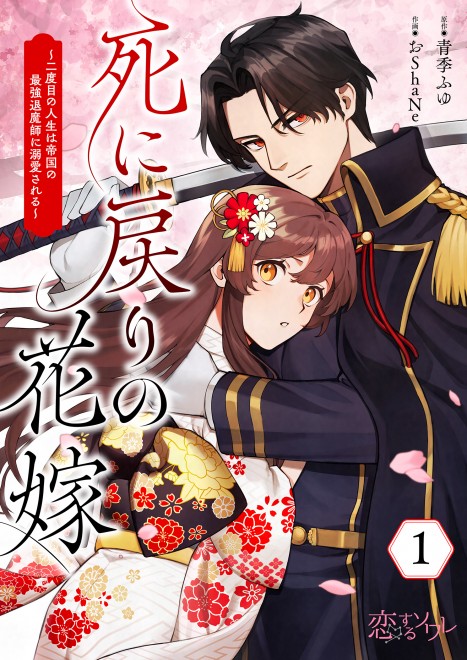
The Reincarnated Bride: My Second Life as the Beloved of the Empire’s Strongest Exorcist (C) oShaNe/Fuyu Aoki/Cmoa Comics
Beyond “Haikara-san”: The Expanding Taisho World in Digital Manga
The recent release of Demon Slayer: Kimetsu no Yaiba – Infinity Castle Arc: Part 1 – Akaza Returns has caused a nationwide sensation. At the same time, digital comics have seen a notable rise in titles set in the Taisho period or inspired by its atmosphere. Many of these works are directed toward women and feature love stories that begin with marriage—one of the hallmarks of the current “Taisho boom.”
The roots of Taisho settings in manga can be traced back to Haikara-san ga Tōru (1975–1977), which was adapted into an animated film a few years ago. Later works such as Rozen Maiden (Taisho Arc) and Hana to Shura also captured readers with their unique depictions of the era.
However, while those were isolated hits, today’s market shows a collective trend. Digital platforms are filled with titles like Taisho Gakusei Aisaika, The Tyrant’s Cinderella – A Taishō-Era Romance, The Fox Lord's Bride ~ Taisho Romance Chronicles, and Taisho Political Marriage Romance, demonstrating that the Taisho boom has truly taken root.
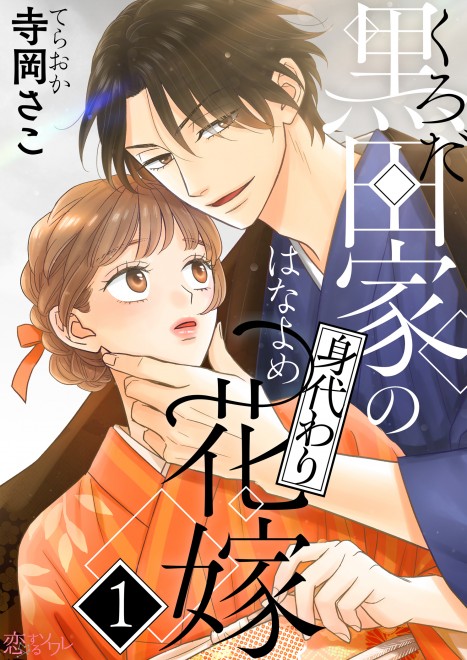
The Substitute Bride of the Kuroda Family (C) Sako Teraoka/Cmoa Comics
“The Pandemic Sparked Interest in Historical Settings”
According to Yusuke Kobayashi from Comic Cmoa’s original comic division, the current boom began during the COVID-19 pandemic.
“During that time, the number of digital comic users surged,” Kobayashi explains. “Many readers who had already enjoyed isekai fantasy started to develop a taste for stories set in the past. One symbolic hit from that period was My Happy Marriage. Although Demon Slayer was popular around the same time, the growth of female-oriented Taisho manga suggests that not only Demon Slayer but also My Happy Marriage influenced this trend.”
He adds that these stories reflect several traits typical of digital comic trends:
“In the Taisho era, the peerage system allowed for characters like noblewomen to appear naturally. Themes such as a mistreated heroine experiencing a dramatic reversal through marriage, or stories of intense affection, align perfectly with the social structure of the time. This setting also fits seamlessly with the advertising style of digital comics. On top of that, supernatural battles and fantasy elements are easy to integrate, making the Taisho period ideal for digital serialization.”
Kobayashi further notes that the era offers storytelling advantages that cannot be replicated in other time periods or fantasy worlds.
“The Taisho period had professions like military officers, students, geisha, and maids—occupations that no longer exist today. Because of the clear class distinctions, it allows for the depiction of pure and bittersweet emotions difficult to express in modern settings. At the same time, Taisho democracy had begun to plant the seeds of modern values. It’s not too distant like the Meiji era, nor too close like Showa, giving readers a relatable yet subtly fantastical atmosphere.”
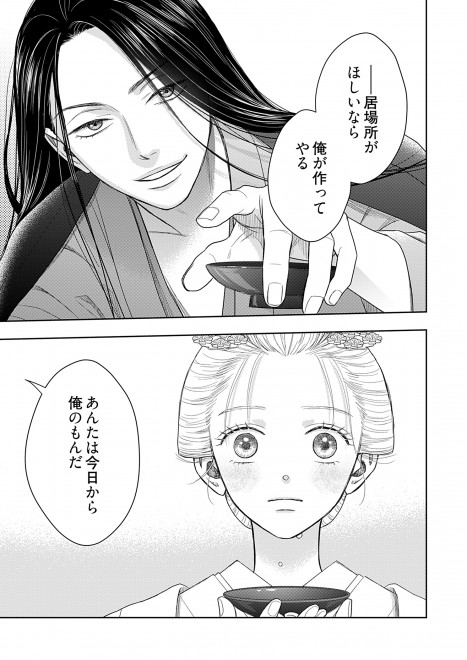
From The Substitute Bride of the Kuroda Family (C) Sako Teraoka/Cmoa Comics
“Taisho Marriage Stories Reflect Women’s Quiet Longing”
Fumiko Nishino, an editor at Cmoa Comics, points out that Taisho-era manga depict types of marriage no longer possible in modern society. Many titles include words like “bride” or “wedding” in their names, with heroines often entering arranged marriages early in the story.
“In recent years, modern romances where the heroine struggles toward marriage have become rare,” Nishino explains. “As women’s choices expanded, marriage itself grew more complex. With careers, pregnancy, family expectations, and social media relationships to consider, many women today are simply tired. They might not be seeking realism in manga anymore.”
In contrast, marriage during the Taisho period—often decided by family or social position—left women little room for choice. Nishino notes that this lack of agency paradoxically appeals to some modern readers.
“In today’s world of dating apps and constant comparison, the idea of being ‘welcomed as a bride’ carries a certain allure. Since these stories begin with marriage, readers know the heroine will eventually be loved, no matter what obstacles appear. In a time obsessed with efficiency and time-saving, many prefer stories that don’t demand emotional tension.”
Titles like Taisho Political Marriage Romance, The Reincarnated Bride: My Second Life as the Beloved of the Empire’s Strongest Exorcist, The Substitute Bride of the Kuroda Family, and How I Married Into the Togo Clan exemplify this pattern. Despite similar setups, each work offers a distinct charm—proof that “Taisho love stories” have become an established subgenre.
“To be honest,” Nishino admits, “our editorial team once worried that readers might tire of such similar plots. But instead, we received many requests for ‘more of the same.’ That demand encouraged us to propose additional Taisho-themed works to authors.”
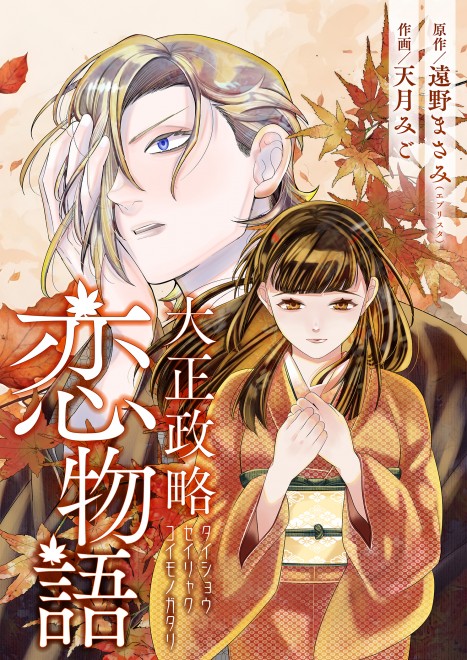
Taisho Political Marriage Romance (C) Migo Amatsuki/Masami Tono (EVERYSTAR)/Cmoa Comics
A Shift Toward “Slow Living” and Emotional Drama
Nishino also observes a recent shift in taste.
“Cinderella-style stories remain popular, but we’ve started to see more interest in works focusing on daily life and human relationships.”
A leading example is A Calm Sea and Beautiful Days with You, a drama adaptation set in 1936. Though technically in the Showa era, it retains many Taisho elements—an arranged marriage, a military husband, and a blend of Japanese and Western lifestyles. Viewers were drawn not only to its tender romance but also to its portrayal of a vanished way of life.
“As for manga explicitly set in the Taisho period,” Nishino continues, “titles like Smoke and Honey and Our Little Maid are gaining traction. Domestic tasks such as cooking, cleaning, and sewing—all done by hand—represent a kind of ‘slow life’ that modern readers find soothing.”
Kobayashi agrees that this nostalgia is tied to digital fatigue.
“Digital comic readers spend a lot of time online through social media and other platforms,” he says. “In such a hyper-digital society, people are unconsciously exhausted. The yearning for an era without digital technology may be one reason Taisho-themed works resonate so strongly.”
Frequently Asked Questions
Q1: What triggered the recent Taisho manga boom?
A1: According to Comic Cmoa’s editors, the COVID-19 pandemic led to a surge in digital readers who shifted interest from isekai to historical settings.
Q2: Which works symbolize this movement?
A2: My Happy Marriage, The Reincarnated Bride, Taisho Political Marriage Romance, and The Substitute Bride of the Kuroda Family are key examples.
Q3: Why do these manga emphasize marriage?
A3: Taisho society’s structure makes arranged marriages a natural premise, allowing emotionally secure love stories that appeal to modern readers.
Q4: What new trends are appearing within Taisho settings?
A4: “Slow life” and daily drama works such as Smoke and Honey and Our Little Maid have gained popularity.
Q5: What draws readers to Taisho-era romance?
A5: A balance of nostalgia, class-based storytelling, and gentle fantasy provides both escapism and emotional calm.
Source : ORICON NEWS

Related News
Demon Slayer Infinity Castle Arc Part 1 Reaches ¥35.06B ($234M) in 73 Days
The latest Demon Slayer film, Infinity Castle Arc the Movie: Part 1 Akaza Returns, has grossed ¥35.06 billi...

Special Feature: Looking Back at Demon Slayer by the Numbers
The first part of the three-part final arc of Demon Slayer: Infinity Castle Arc, the grand finale that has ...
An Introduction to Berserk: Kentaro Miura’s Masterpiece That Shaped Dark Fantasy Across Media
In this article, I’m going to talk about Berserk, a Japanese manga created by Kentaro Miura, which became t...
Analysis: Why Did Japan Become the Kingdom of Characters?
Pokémon, Hello Kitty, and Godzilla are cultural icons known worldwide, all originating in Japan.
“Reijo” Genre Gains Rapid Popularity Overseas… Why Terms Like “Senpai” and “Isekai” Are Left Untranslated
The “Reijo” genre gains explosive traction among female readers in North America, driven by MangaPlaza’s st...
[Column] What Impact Will Trump's Tariffs Have on Japanese Anime?
At the end of July, the U.S. and Japan reached an agreement on tariff negotiations, and starting August 1, ...
![[Column] What Impact Will Trump's Tariffs Have on Japanese Anime?](/upimg/thumb/5000/5538/img280/anime-japan-2025.jpg)