


Pokémon Sleep Study Links Irregular Sleep to ¥1 Trillion ($7B) Loss
Key Facts
• The Pokémon Company and Tsukuba University’s IIIS released a joint study
• Study analyzed sleep and productivity using Pokémon Sleep data
• Over 79,000 users’ data and 2.1 million sleep sessions were included
• Users with social jetlag showed significantly lower productivity
• Japan’s annual economic loss from irregular sleep is estimated at ¥1 trillion ($7 billion)
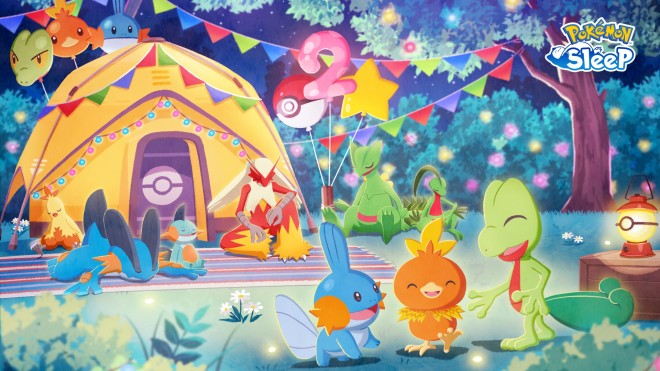
Pokémon Sleep and the University of Tsukuba's IIIS reveal study linking irregular sleep patterns to ¥1 trillion ($7 billion) annual economic loss in Japan.
On July 11, The Pokémon Company and the International Institute for Integrative Sleep Medicine (IIIS) at the University of Tsukuba released findings from a joint study on sleep and labor productivity. Using data from over 79,000 users of the app Pokémon Sleep, the study found that irregular sleep patterns are associated with lower productivity, leading to an estimated annual economic loss of approximately ¥1 trillion ($7 billion) in Japan.
What the Pokémon Sleep Study Revealed
The Pokémon Company, in collaboration with the University of Tsukuba’s IIIS, conducted a large-scale study using data from the mobile app Pokémon Sleep. The study focused on the relationship between sleep patterns and work productivity, analyzing the habits of 79,048 Japanese users who recorded sleep data for more than seven days. Over 2.1 million nights of sleep were analyzed in total.
The study introduced the concept of "social jetlag," which refers to the discrepancy between sleep schedules on workdays and weekends. According to the findings, users experiencing social jetlag showed significantly lower productivity compared to those with regular sleep patterns. The study estimated that individuals in this group face an annual productivity loss of ¥136,000 per person.
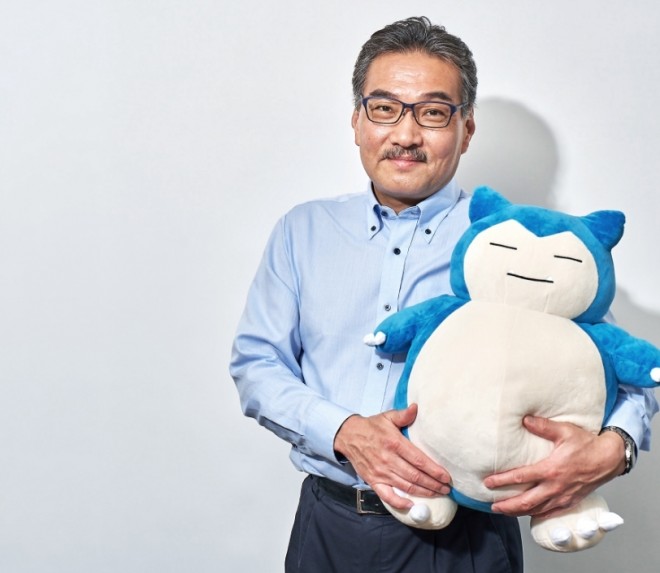
Pokémon Sleep and the University of Tsukuba's IIIS reveal study linking irregular sleep patterns to ¥1 trillion ($7 billion) annual economic loss in Japan.
Classification and Impact of Sleep Patterns
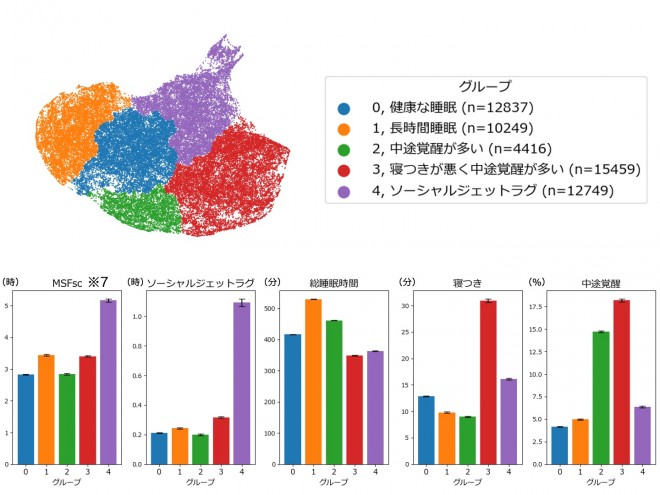
The data from Pokémon Sleep allowed researchers to classify users into five distinct sleep pattern groups through cluster analysis:
Healthy Sleep: Balanced sleep indicators
Long Sleep Duration: Longer total sleep time
Frequent Nocturnal Awakenings: Interrupted sleep
Difficulty Falling Asleep with Frequent Awakenings
Social Jetlag: Late mid-sleep times and noticeable weekday-weekend differences
Among these, groups 3 and 4 showed the lowest labor productivity scores. Particularly, the social jetlag group had the poorest performance in productivity evaluations, including presenteeism scores and daytime sleepiness ratings collected via questionnaires.
Despite having adequate sleep duration, irregular sleep timing in these groups was linked to lower efficiency at work. These patterns also corresponded with higher reports of insomnia and daytime fatigue, indicating broader implications for health and workplace output.
Pokémon Sleep and the University of Tsukuba's IIIS reveal study linking irregular sleep patterns to ¥1 trillion ($7 billion) annual economic loss in Japan.
Economic Loss and Expert Insight
Based on the correlation between irregular sleep and reduced productivity, the study estimated that Japan faces an annual economic loss of approximately ¥1 trillion ($7 billion) due to poor sleep rhythms. The calculation is based on productivity losses among individuals with inconsistent sleep patterns.
Masashi Yanagisawa, a professor of sleep science and supervisor of Pokémon Sleep, emphasized the importance of maintaining a consistent daily sleep rhythm. He noted that, beyond sleep quantity and quality, rhythm plays a key role in maximizing daytime performance.
Yanagisawa also offered a practical suggestion for improving sleep rhythm: try to maintain a consistent "mid-sleep time" even on weekends by adjusting bedtimes rather than extending sleep in the morning. He suggested that gamified tools like Pokémon Sleep can help users visualize and improve their sleep routines.
FAQ
Q: What was the focus of the Pokémon Sleep and Tsukuba University study?
A: The study focused on the relationship between sleep patterns and labor productivity.
Q: How many users were included in the study?
A: The study analyzed sleep data from 79,048 Pokémon Sleep users.
Q: What is social jetlag?
A: Social jetlag is the misalignment between weekday and weekend sleep schedules.
Q: What was the estimated annual economic loss from irregular sleep?
A: The study estimated a loss of approximately ¥1 trillion ($7 billion) per year in Japan.
Q: Which group showed the lowest productivity in the study?
A: The group with social jetlag showed the lowest productivity scores.
Source : ORICON NEWS

Related News
Pokémon Horizons Episode 100 Marks Reunion, Growth, and a New Adventure
The anime Pokémon Horizons celebrated a major milestone on June 20 as its 100th episode aired on TV Tokyo.

What If Pokémon Were Real Animals? Ecology Guidebook Says It All
The Pokémon Ecology Guidebook, an official new release that explores Pokémon through the lens of behavioral...
See Inside the Pokémon-Themed Luxury Suite in Tokyo—Featuring Snorlax & Lapras [VIDEO]
Grand Hyatt Tokyo is going tropical this summer with the return of its annual Pokémon collaboration, offeri...
![See Inside the Pokémon-Themed Luxury Suite in Tokyo—Featuring Snorlax & Lapras [VIDEO]](/upimg/thumb/5000/5039/img280/pokemon-grand-hyatt-snorlax-lapras-suite-2025-01.jpg)
Pokémon × FamilyMart Collab Debuts June 24 with Cute Eevee Frappe and More
Starting June 24, 2025, Japanese convenience chain FamilyMart is teaming up with Pokémon for an irresistibl...

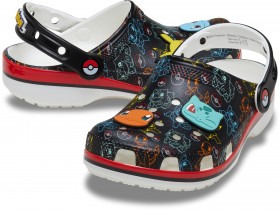
Pokémon x Crocs Debuts 4 Clog Designs Featuring Pikachu and Eevee
Crocs has teamed up with Pokémon for a brand-new footwear collaboration released on June 11, 2025.
USJ Pokémon Halloween 2025: Unstoppable DJ Party by DECO*27, Daytime Shows, and Trick-or-Treat Fun for All Ages
Universal Studios Japan (USJ), located in Osaka’s Konohana Ward, has officially announced the daytime lineu...

Pokémon Ecology Encyclopedia Reveals First 10 Pages: Flight Speed Comparisons of Dragonite and Golurk, Plus 14 Official Themed ...
The upcoming Pokémon Ecology Encyclopedia, a new official Pokémon book set for release on June 18, 2025, ha...
.jpg)
Pokemon LEGENDS Z-A Launches October 16 with Real-Time Battle System and Switch2 Compatibility
The Pokémon Company has officially announced that its upcoming title Pokemon LEGENDS Z-A will be released o...
.jpg)
UNIQLO UT x Pokémon TCG Collaboration Brings Pikachu, Slowpoke & More to Exclusive T-Shirt Collection
UNIQLO’s UT debuts a Pokémon Trading Card Game collection featuring Pikachu, Slowpoke, and more, launching ...
.jpg)